Boulder relocates homelessness services amid broader push to curb outdoor sleeping downtown
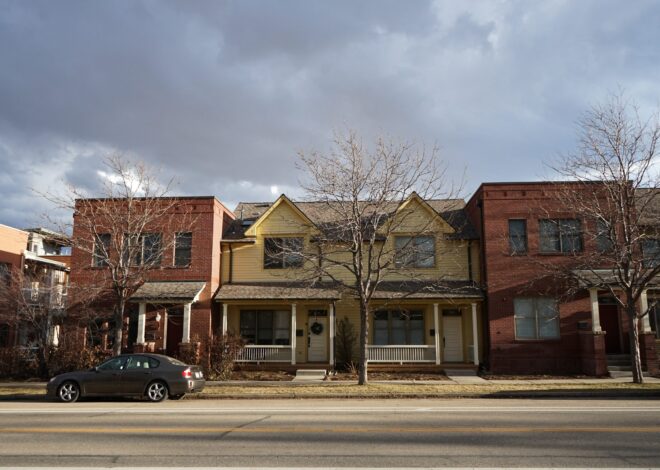
Later this month, the City of Boulder will relocate its Community Court program, which helps homeless people address low-level charges, from the Penfield Tate Municipal Building to St. John’s Episcopal Church, about half a mile away.
Read more A Boulder experiment in affordable downtown art space comes to an end
The change comes amid a broader push to prevent camping near Boulder Creek Park, formerly known as the Civic Area and Central Park. The relocation will occur on July 23.
Separately, Deacon’s Closet, a nonprofit that provides clothing, footwear and personal items to unhoused people, will also relocate from the municipal building to the nearby church.
The moves follow a 2025 Clutch Consulting Group report that informed an update to the city’s homelessness strategy. The report recommended creating “clear boundaries to prevent rough sleeping,” including relocating food and supply distribution events in public parks to the All Roads homeless shelter in North Boulder. It also called for expanding “diversion” efforts to reconnect people with housing or support networks outside Boulder and enforcing the city’s camping ban, particularly along Boulder Creek.
“Over the past year, the city has also re-emphasized the prohibition on camping within the Civic Area,” city spokesperson Jenn Ciplet said. “Larger events that focus on food and supply distribution in parks can have the unintended consequence of making public space management efforts more difficult and of confusing newcomers to our community who may not be aware of where holistic services are located.”
The changes come as Boulder prepares to host the Sundance Film Festival for the first time in January 2027, when thousands of visitors are expected to visit the city and generate significant economic activity. The festival is also expected to draw greater attention to the city’s approach to homelessness.
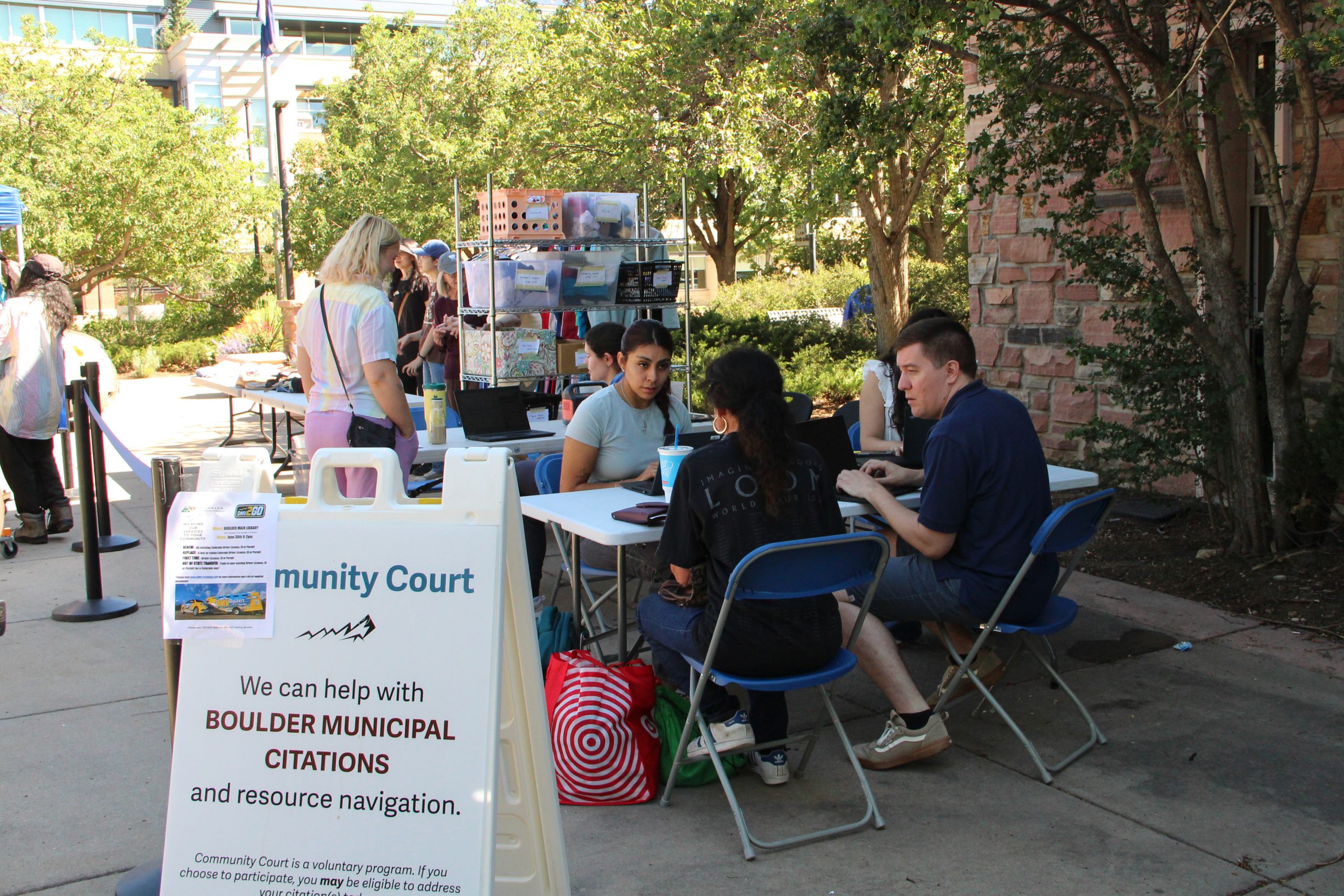
Boulder’s Community Court is a weekly, outdoor program run by the municipal court and City Attorney’s Office that allows people to address camping tickets and other nonviolent charges. The city says it uses ticketing and Community Court to connect people with services that could help them obtain housing. Charges are often dismissed when participants cooperate with the court, according to the city.
The chair of Deacon’s Closet’s Board of Directors, Kevin Cudney, said the nonprofit has operated out of several different churches over the years.
Read more 🪨 Why did Boulder put a boulder in the middle of a bike route?
Homeless policy changes
The moves come amid broader shifts in how Boulder serves its homeless population.
Last fall, Boulder County told Colorado FriendShip, which has served hot meals and distributed clothing and toiletries to homeless people from the parking lot of the Boulder County Justice Center for nearly 30 years, to relocate because it did not have a permit. The organization had never needed a permit before.
The county said its decision had nothing to do with the city’s new homelessness policies. Three weeks later, Colorado FriendShip received a permit and resumed serving food.
Separately, the city last year began ramping up its enforcement of its camping ban. City police officers say they’re issuing more tickets for camping this year than they did last year. Both police officers and homeless people described more aggressive enforcement tactics, including waking people at 2 a.m. to tell them to move.
In addition to enforcing the camping ban, the Clutch Consulting Group report recommended prioritizing housing resources for people with ties to Boulder and offering short-term assistance — like motel rooms, rent deposits or bus tickets — to those arriving from elsewhere.
All Roads, the city’s largest shelter, has since changed its policy to prioritize people who became homeless in Boulder. In May, it began limiting stays at the shelter to 10 days for people without demonstrated ties to Boulder County. Residential ties include living in the county for six months or more or having family or a job in Boulder.
The latest point-in-time count, conducted in January 2026, recorded 614 homeless people in Boulder County. That figure has declined slightly since 2023.
Read more Mike Mills: Boulder’s proposed DDA would divert open space funds to downtown — without your vote

Related Posts
Boulder offers $1.3 million loan to help San Lazaro residents buy their mobile home park. They still need $30 million.
Boulder County commits $11 million to help San Lazaro residents buy their mobile home park