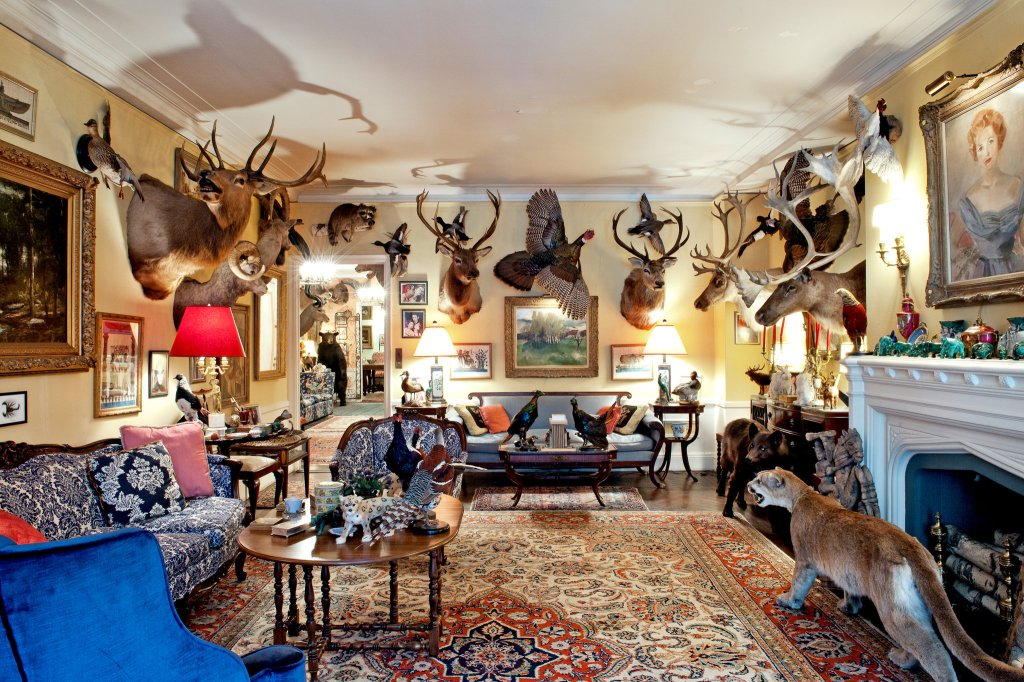
Moving Taxidermy Safely: What to Do Before the Professionals Arrive
A mounted specimen can be one of the most unusual possessions in a household. Unlike ordinary décor, taxidermy may contain fragile natural materials, intricate structural elements, glass, wood, fabric, antlers, horns, feathers, or other components that are not designed to withstand careless contact.
That is why preparation should begin before moving day. The objective is not to dismantle everything or wrap a specimen in whatever materials happen to be available. Instead, owners should understand the condition of each piece, identify potential obstacles, and give professional movers enough information to develop an appropriate handling plan.
Examine Every Piece Before Packing
Start with a careful visual inspection. Look at the mount from different angles and check the base, support points, decorative components, glass, antlers, horns, ears, tails, feathers, and other exposed areas.
Photograph each specimen before it is moved. Take both wider images and close-ups of existing imperfections. If you have several pieces, create a simple inventory so every mount can be identified individually.
For households arranging a specialized relocation, Price Movers provides services for unusual possessions, with details at https://pricemovers.com/.
Don’t Attempt Unnecessary Repairs
A loose-looking component may seem like something that should be tightened or removed before transportation. However, taxidermy can have specialized construction that is not obvious from the outside.
Avoid experimenting with adhesives, fasteners, cleaning products, or structural repairs immediately before a move. If something appears unstable, point it out to the professionals instead.
Plan the Route From Wall to Vehicle
One of the most important preparation steps has nothing to do with packing materials.
Walk through the entire route the specimen will take. Measure doorways, hallways, staircases, elevators, corners, and other restricted areas.
Large or unusually shaped mounts may require considerably more clearance than their central dimensions suggest.
For specialized transportation and crating requirements, the dedicated Price Movers service page is located at https://pricemovers.com/services/antique-moving/charting-and-taxidermy.
Remove Potential Obstacles
Clear boxes, chairs, rugs, decorative objects, and unnecessary furniture from the route. Open doors fully where possible.
If the specimen is coming down from an upper floor, make sure landings and stairways are unobstructed. The same preparation should be repeated at the destination.
Give Fragile Features Their Own Protection
Taxidermy often has components that extend beyond the main body or frame. Antlers and horns, for example, can create additional points of vulnerability during handling.
These features should not be bent, compressed, or forced into a smaller space simply to make transportation easier.
Professional crating may be appropriate for particularly delicate or valuable specimens. The protective enclosure should prevent unnecessary movement while avoiding excessive pressure against sensitive surfaces.
Handle Wall-Mounted Pieces With Care
Many specimens are displayed on walls, which means their preparation includes the mounting system as well as the specimen itself.
Identify how the piece is attached before moving day. If you know which hardware is used, keep that information available. Do not assume that removing the mount yourself is the safest option if the attachment mechanism is complicated.
Photographs of the original installation can also help with placement at the destination.
Prepare the Destination Before Delivery
Moving a taxidermy piece safely does not end when it leaves the original property.
Decide where it will be displayed in the new home. Check the dimensions of the intended wall or display area and consider whether furniture, doorways, or other objects could interfere with installation.
If the new location has narrower access than the old property, communicate this before transportation begins.
Think About Temporary Storage
Some relocations involve a gap between leaving the old property and moving into the new one. If taxidermy must be stored temporarily, tell the moving company in advance.
Specialized specimens should not simply be treated like ordinary household boxes. Their storage and transportation requirements should be considered as part of the same relocation plan.
Create a Detailed Inventory
For a single mount, a few photographs and notes may be sufficient. Larger collections benefit from a more detailed inventory.
Record the specimen’s identifying description, approximate dimensions, location in the current property, destination room, and any visible condition issues.
If professional valuation or appraisal documents exist, keep them separately with the relocation paperwork rather than placing them inside an inaccessible moving box.
Tell Movers What Makes Each Piece Different
A professional moving crew cannot prepare for a challenge they do not know exists.
Explain whether a piece is unusually heavy, oversized, fragile, wall-mounted, valuable, difficult to access, or composed of particularly delicate elements.
Price Movers focuses on specialized moving requirements for taxidermy and other unusual possessions, making advance communication an important part of preparing the relocation.
Avoid Last-Minute Packing
Taxidermy should not be the item you remember only when everything else has already been loaded.
Give specialized pieces enough preparation time to inspect their condition, clear the route, organize documentation, and discuss appropriate protection with the moving team.
A well-planned relocation treats each specimen according to its actual characteristics rather than forcing it into a standard household-moving routine. By combining careful inspection, route planning, specialized protection, accurate documentation, and advance communication, owners can make the transportation of taxidermy far more controlled from pickup through placement.
