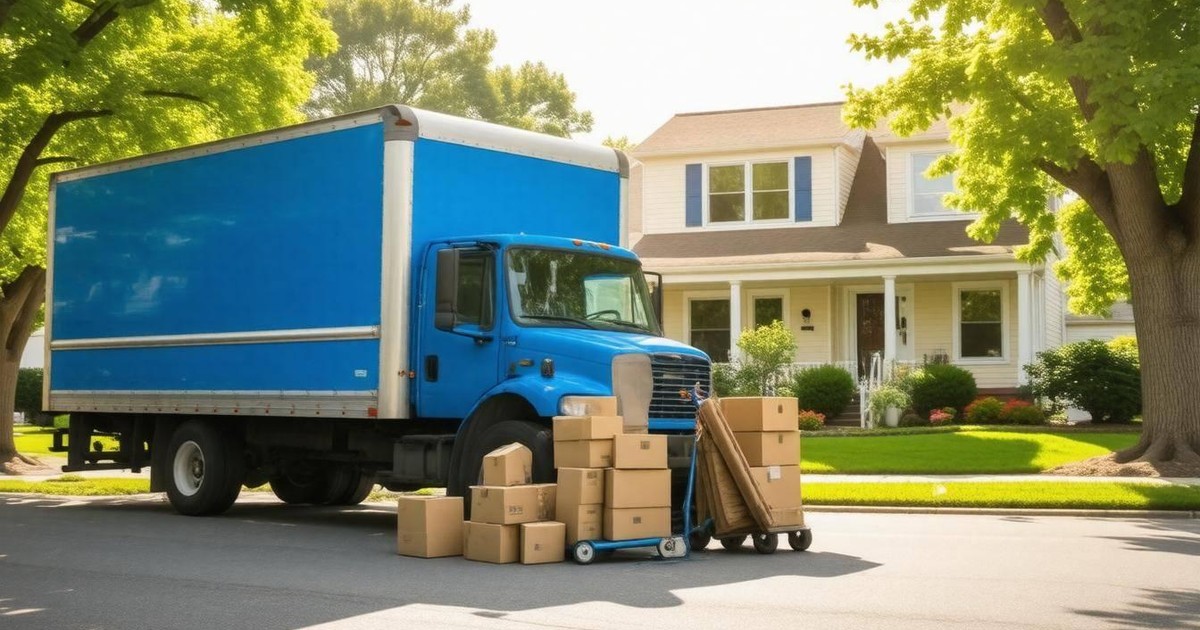
The Details That Make a Las Vegas Move Run More Smoothly
A moving crew can prepare for a job much more effectively when they know what they are walking into. The address is only the beginning. Access conditions, large furniture, stairs, parking, the number of boxes, and special handling requirements can all influence how a local relocation unfolds.
Sharing useful information before moving day gives Nevada Movers a clearer picture of the job and helps reduce avoidable surprises once the truck arrives. You do not need to create a complicated report; a practical overview is usually enough.
Start With the Two Addresses
Provide the complete addresses for both properties and make sure any relevant access information is included.
If either location is inside an apartment complex, condominium, gated community, or managed neighborhood, mention it. Building entrances, security gates, elevators, loading zones, and designated moving hours can affect the route from the truck to the property.
Explain Access Beforehand
Tell the movers about stairs, narrow hallways, long walking distances, steep driveways, elevators, or other obstacles.
A third-floor apartment with no elevator is a very different physical job from a ground-floor home with a driveway beside the front door.
For Las Vegas residents arranging a relocation, https://nevadamoverslv.com/services/local-services/ can provide a starting point for coordinating local moving assistance around these practical requirements.
Give a Realistic Picture of What Is Being Moved
An approximate box count is helpful, but large and unusual belongings deserve particular attention.
Mention oversized sofas, large dining tables, safes, exercise equipment, pianos, heavy appliances, extensive shelving, or other items that may require additional handling.
Nevada Movers can then account for the physical demands of the move instead of discovering a difficult item only after loading has already begun.
Do Not Forget Outdoor Areas
Garages, patios, sheds, balconies, and storage spaces can contain a substantial amount of property.
Include bicycles, outdoor furniture, tools, grills, seasonal decorations, gardening equipment, and other belongings that are part of the move.
A complete description is much more useful than estimating the job based solely on the number of rooms inside the house.
Identify Items That Need Special Attention
Some belongings should be highlighted before moving day.
Tell the crew about fragile artwork, glass furniture, antiques, unusually delicate objects, or valuable pieces that require careful handling. If an item has unusual dimensions or a complicated structure, photographs can sometimes provide useful context.
Do not wait until the object is already being carried through a doorway to explain that it requires special treatment.
Mention Furniture That Needs Disassembly
If a bed frame, wardrobe, shelving unit, desk, or other large item needs to be dismantled, make that known in advance.
Likewise, identify furniture that has already been disassembled so the crew knows which components belong together.
Discuss Parking and Loading
Parking can become one of the most overlooked details of a local move.
Explain where the moving vehicle can reasonably stop at each property. If street parking is limited, loading areas are restricted, or a property manager requires advance arrangements, pass that information along before the appointment.
Las Vegas neighborhoods and apartment communities can have very different access conditions. A convenient parking plan can save considerable carrying time.
Share Timing Constraints
Tell the moving company about deadlines that cannot be changed.
Perhaps the old property must be vacated by a particular hour, the new home is available only after a certain time, or an apartment building has a narrow elevator reservation.
Local services work more effectively when these restrictions are known before the schedule is finalized.
Mention Weather-Related Concerns
Southern Nevada’s summer heat can affect outdoor loading and unloading. If your move is scheduled during particularly hot conditions, discuss practical timing considerations and make sure water and clear access routes are available.
Clarify What Is Not Going on the Truck
A moving crew should know which belongings are staying behind.
Clearly separate items that will remain at the property from those being transported. This is especially important when selling a home, moving out of a rental, or leaving appliances or furniture for the next occupant.
An obvious “do not move” area can prevent unnecessary confusion.
Keep Important Information Together
Before moving day, gather keys, gate codes, elevator instructions, parking details, contact information, and any building requirements in one easily accessible place.
If plans change, communicate promptly rather than waiting until the crew arrives.
Nevada Movers can provide the physical support for a Las Vegas local relocation, but good information from the homeowner makes that support much more effective. The more accurately the crew understands the two properties, the belongings, access conditions, timing, and special requirements, the easier it becomes to turn a complicated moving day into a coordinated sequence of manageable tasks.
