After backlash, Boulder moves boulder blocking popular Reservoir bike route
The city moved a boulder and replaced signs about bike access after Boulder Reporting Lab reported that cyclists were questioning the changes.
Read more Boulder airport begins offering unleaded fuel, but not all planes can make the switch
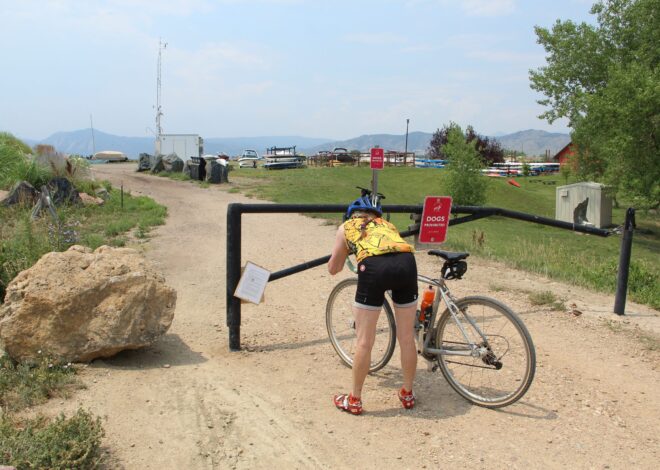
The rock was installed last month with a sign stating that the route, used by cyclists for decades, was restricted. The notice said the road was a dam maintenance road, “not an official trail,” and that cyclists created safety concerns and an equity issue by riding quickly through a boat parking lot and bypassing the reservoir’s $5 entrance fee.
The notice and boulder prompted questions from cycling advocates, including the Coalition 4 Cyclists and Boulder Mountainbike Alliance.
“For many years, people have used this corridor to travel safely through northeast Boulder. It’s shown on official City trail maps as part of the broader trail system,” BMA Executive Director Wendy Sweet wrote.
City officials later told Boulder Reporting Lab that cyclists were still allowed to use the route and that it is a multi-use trail, not a restricted maintenance road. The city said it is asking cyclists to ride slowly and single file through the intersection.
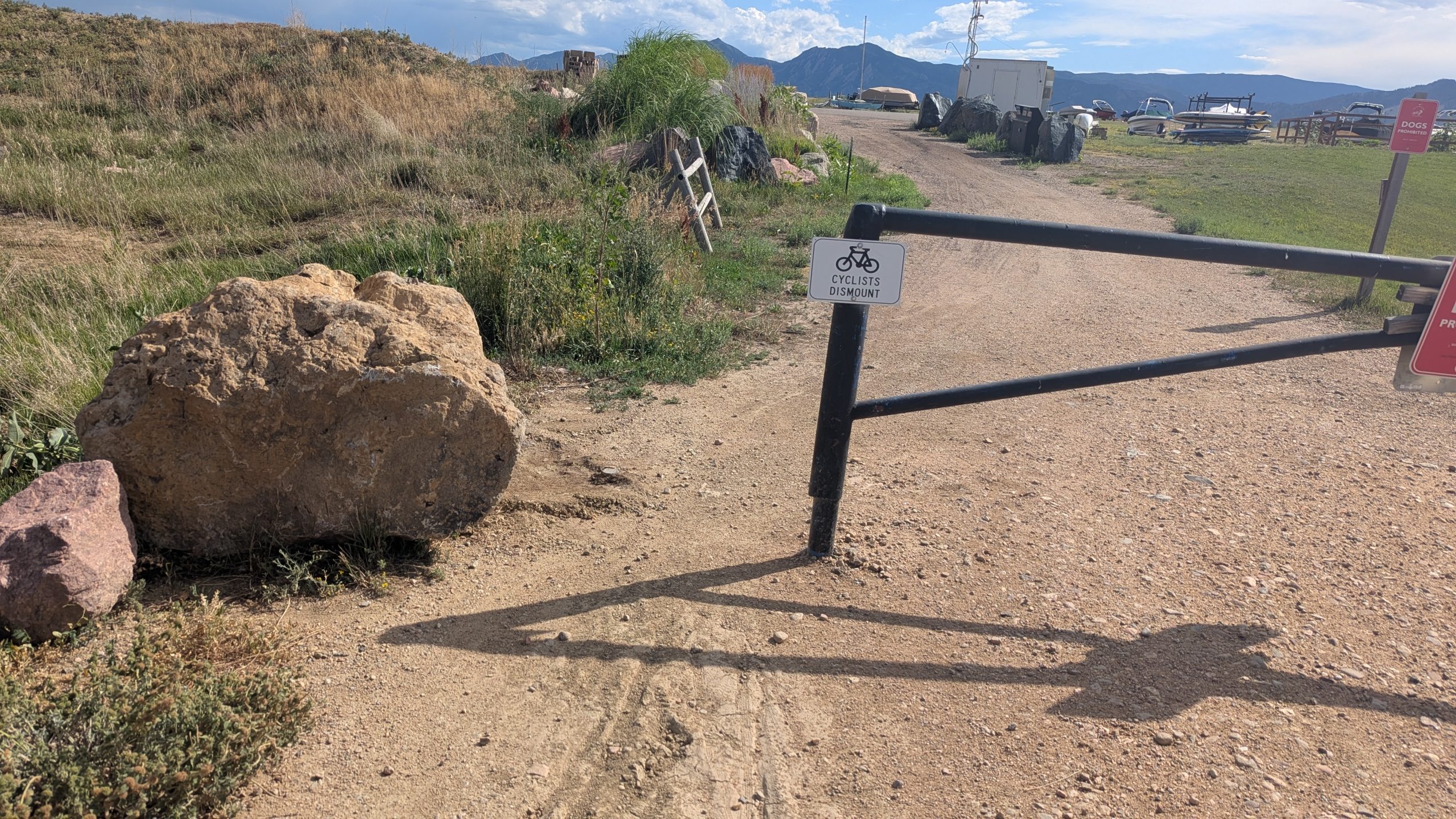
The sign was removed July 8, the same day the boulder was moved. Instead, a new “Cyclists dismount” sign has been added.
In an email seen by Boulder Reporting Lab, Parks and Recreation Director Ali Rhodes told Sweet that staff had observed an increasing number of cyclists approaching from the intersection at “high speeds and in large groups.”
“To slow cyclists, they initially placed a boulder near to the gate and asked cyclists to dismount here,” she wrote.
Read more Boulder relocates homelessness services amid broader push to curb outdoor sleeping downtown
The initial notice did not tell cyclists to dismount.
Rhodes acknowledged the original sign created confusion.
“Because of this messaging, some thought we were closing this access point entirely to cyclists — we are not,” Rhodes said.
“It also created the perception that we were not going to consider this route part of a trail anymore or that we were going to require payment; neither of those are the case either. We apologize for that confusion and appreciate the opportunity to do better.”
Rhodes said the boulder was moved and the signage changed in response to cyclists’ concerns.
In the long term, the city is considering building a protected trail that separates runners and cyclists from the road and parking area.
In her response, Sweet supported efforts to build a separate trail but pushed back on the city’s characterization of the issue as a misunderstanding.
“The original emails from staff and the on-site signage both stated that this was not a designated recreational trail and directed cyclists to use the paid entrance instead,” she wrote. “Those statements understandably led people to conclude that bicycle access through this long-established regional connection was being eliminated or fundamentally changed.”
She also encouraged the city to work with Boulder Mountainbike Alliance and Coalition 4 Cyclists on future solutions.
Read more A Boulder experiment in affordable downtown art space comes to an end